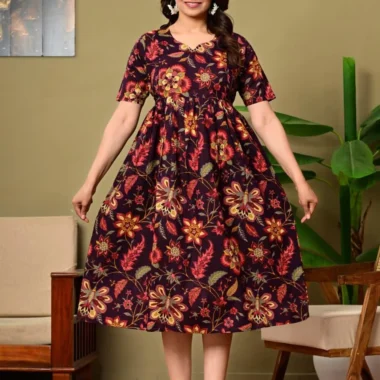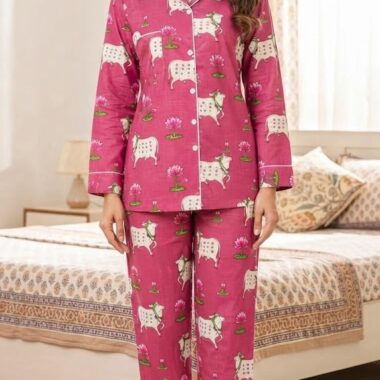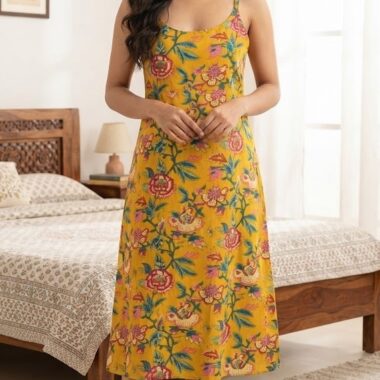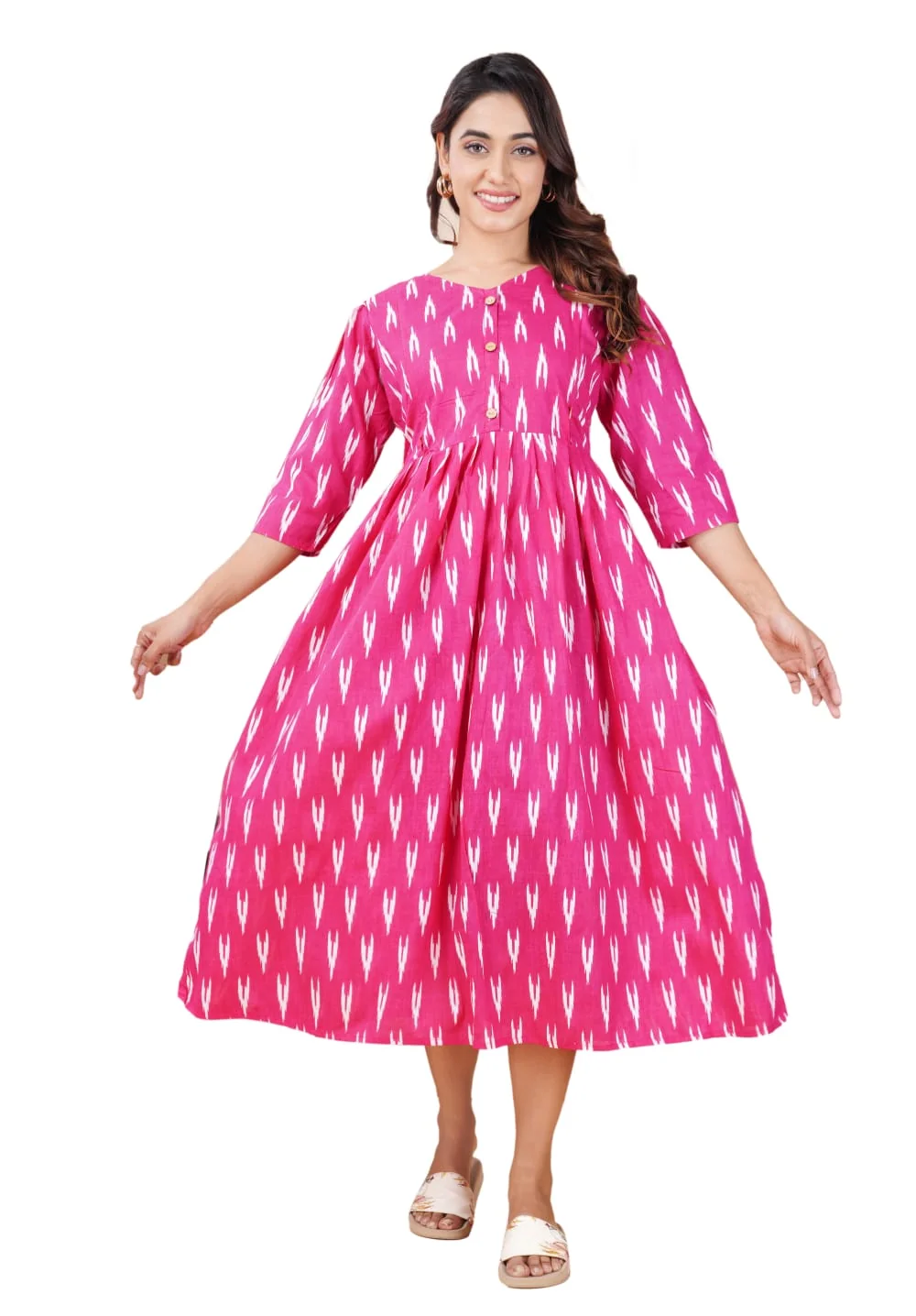
Your body changes every few weeks during pregnancy, and the clothes that felt comfortable in the first trimester can feel tight by the sixth month. A good maternity kurti solves this problem – it gives your bump room to grow, keeps you cool in Indian weather and, if you choose a feeding-friendly design, stays useful long after delivery. Here is a simple guide to choosing the right one.
1. Start with your pre-pregnancy size
Most maternity kurtis are already cut with extra room at the bust and belly. That means you should usually order your normal, pre-pregnancy size. Ordering two sizes up often makes the shoulders and sleeves too loose. Go one size up only if you are in your third trimester, between sizes, or prefer a very relaxed fit. Always check the size chart on the product page – at AtoZMart, every product has one.
2. Choose a bump-friendly cut
- Empire waist: the seam sits just below the bust, so the fabric flows over the bump without pressing on it.
- A-line and fit-and-flare: fitted at the top and gently flared below – flattering at every stage.
- Adjustable details: back tie belts and waist drawstrings let you tighten or loosen the fit as your body changes.
3. Pick breathable fabrics
Pregnancy can make you feel warmer than usual. Look for soft, breathable fabrics such as cotton and cotton blends for daily wear, especially in summer. Avoid stiff or heavy fabrics that trap heat, and choose prints that hide small stains – a practical bonus once the baby arrives.
4. Think ahead: feeding-friendly kurtis
A kurti with nursing access – a concealed zip, a vertical feeding slit or a front button placket – lets you breastfeed discreetly without changing clothes. Buying feeding-friendly maternity kurtis means one wardrobe works for pregnancy and the postpartum months, which saves money and space.
5. Match the kurti to the occasion
- Home and daily wear: simple prints, short or three-quarter sleeves, midi length.
- Office and doctor visits: solid colours or small buti prints with a neat neckline.
- Baby shower and festivals: brighter shades, kalamkari or ajrakh-style prints, flowing maxi or anarkali silhouettes.
6. Check comfort details
Look for elasticated sleeve cuffs, side pockets, a length that does not drag on the floor and a neckline you can wear all day. Small details like these make a big difference when you are wearing the same kurti for 10–12 hours.
Quick checklist before you buy
- Your normal size (one up only in the third trimester)
- Empire waist or A-line cut
- Breathable fabric
- Feeding access if you plan to breastfeed
- Easy return or size exchange
Browse AtoZMart’s maternity kurtis and dresses – sizes S to XXL, free shipping, Cash on Delivery and a 3-day easy return with free size exchange. Need help with size? Message us on WhatsApp at +91 70042 52469.
Frequently Asked Questions
Should I buy a bigger size for pregnancy?
Usually no. Maternity kurtis already have extra room for the bump, so your normal pre-pregnancy size works best. Go one size up only in the third trimester or if you are between sizes.
Which fabric is best for maternity kurtis in India?
Soft, breathable fabrics such as cotton and cotton blends are best for daily wear, especially in summer.
Can I wear a maternity kurti after delivery?
Yes, if it is feeding-friendly. Kurtis with a concealed zip, feeding slit or front buttons work well for breastfeeding.
When should I start wearing maternity clothes?
Most women switch to maternity wear in the second trimester, around the fourth or fifth month, when regular clothes start feeling tight. Wear them whenever you feel more comfortable.